
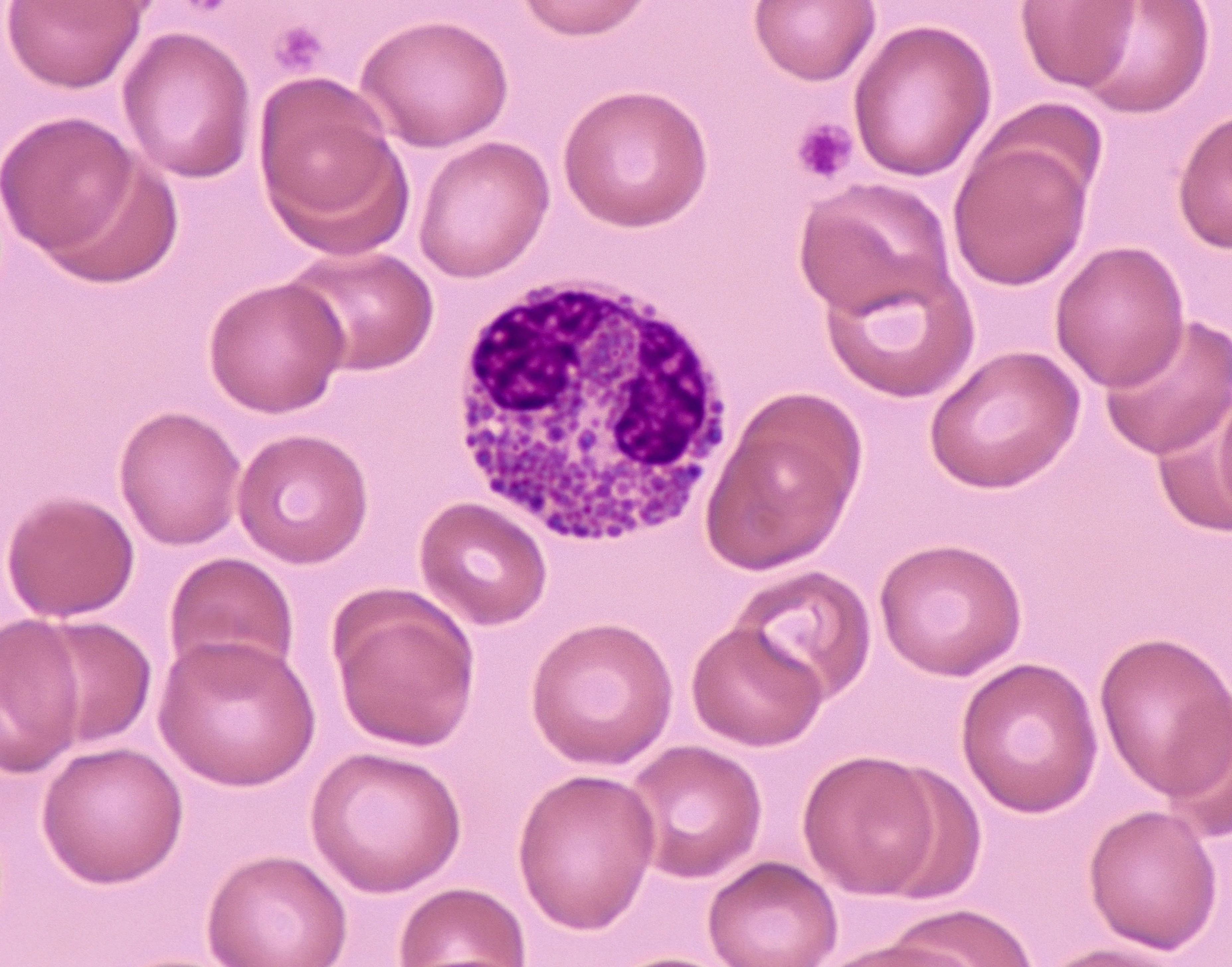
| Category | Eosinophilia |
Eosinophilia is a condition that is associated with high levels of eosinophils in the blood or bodily tissues. Eosinophils are a specific type of white blood cells that play an important role in fighting diseases and warding off infections in the body. Your body has the ability to handle eosinophil levels within a certain range in the blood. However, when the total eosinophil count exceeds the normal range, it can cause inflammation. People with eosinophilia can experience symptoms like skin rashes, wheezing, coughs, and even abdominal pain and diarrhea in some cases.
White blood cells in your body are vital to your body’s immune system. White blood cells are often released by the body to fight off infections. The human body does not usually produce an excess amount of eosinophils in the blood. Therefore, when then the body releases more than the usual amount, it is usually indicative of an infection that may be present.
Eosinophilia can affect both adults and children. The next few chapters feature the discussion of eosinophilia causes, symptoms, treatments, and diagnosis in further detail.
Frequently Asked Questions on Eosinophilia Causes in Indians
1. What causes eosinophilia count to be high?
There are many reasons for an increased eosinophil count in the body. Some major eosinophilia causes include parasitic infections, asthma allergic disorders such as season allergies, food allergies, eczema, and other skin disorders, and certain types of cancers.
2. What are some of the causes of low eosinophils in the blood?
A low eosinophil count in the blood may signify alcohol intoxication or a link to Cushing’s syndrome which is commonly associated with the overproduction of a hormone known as cortisol which contributes to the lower than normal level of eosinophils in the blood.
3. What is the absolute eosinophil count normal value?
A normal absolute eosinophil count refers to the number of eosinophils that is normally present in a person who is healthy. An AEC count value that lies in between 40-400 eosinophil cells per ml of blood is considered normal.
4. How is eosinophilia treated? What are some of the eosinophilia medicines that are administered to affected patients?
Eosinophilia treatments differ from person to person depending on the symptoms, location of eosinophilia, underlying cause and the intensity of the condition. Mild cases are usually observed and monitored. Other treatments include discontinuation of certain medications causing allergic reactions, increasing treatment for asthma and atopical disorders, and administering anti-parasitic medication if the reason for eosinophilia in a patient was due to a parasitic infection. In cases of hypereosinophilia, corticosteroids are usually administered to bring down the level of eosinophils in the blood.
5. Are there any home remedies for eosinophilia?
There aren’t any home remedies for eosinophilia per se, at least ones that would cure eosinophilia. Eosinophilia home treatments may assist in managing symptoms however, it is important to consult a physician before implementing any eosinophilia home treatments of your own.
PROCEDURES
EBUS-TBNA
Endobronchial ultrasound transbronchial needle aspiration (EBUS-TBNA) is a reliable and well-established technique that enables the visualization and sampling of mediastinal, central, and hilar lesions and lymph nodes within the tracheobronchial tree.
With the EBUS bronchoscope inserted into the trachea or the esophagus, the accessible lymph node stations can be explored and the lesions outlined while offering you the freedom to select from different EBUS needle lineups and sizes depending on your needs.
DIAGNOSIS OF TREATMENT BY EBUS
• Sarcoidosis
• Staging of lung cancer
• Determine the lung infection
TYPES OF EBUS
• Radial probe EBUS (RP-EBUS): Radial probe endobronchial ultrasound (EBUS) helps in the evaluation and sampling of peripheral pulmonary lesions (nodules, masses, consolidation), and has been demonstrated a safer alternative to computed tomography-guided procedure, especially in lesions that are away from the chest wall.
• convex and linear probe EBUS (CP-EBUS)
BENEFITS OF EBUS:
• EBUS is performed under moderate sedation or general anesthesia
• Patients recover quickly and can usually go home the same day
• It provides real-time imaging of the surface of the airways, blood vessels, lungs, and lymph nodes.


